
Root Canal
in Eastvale, CA
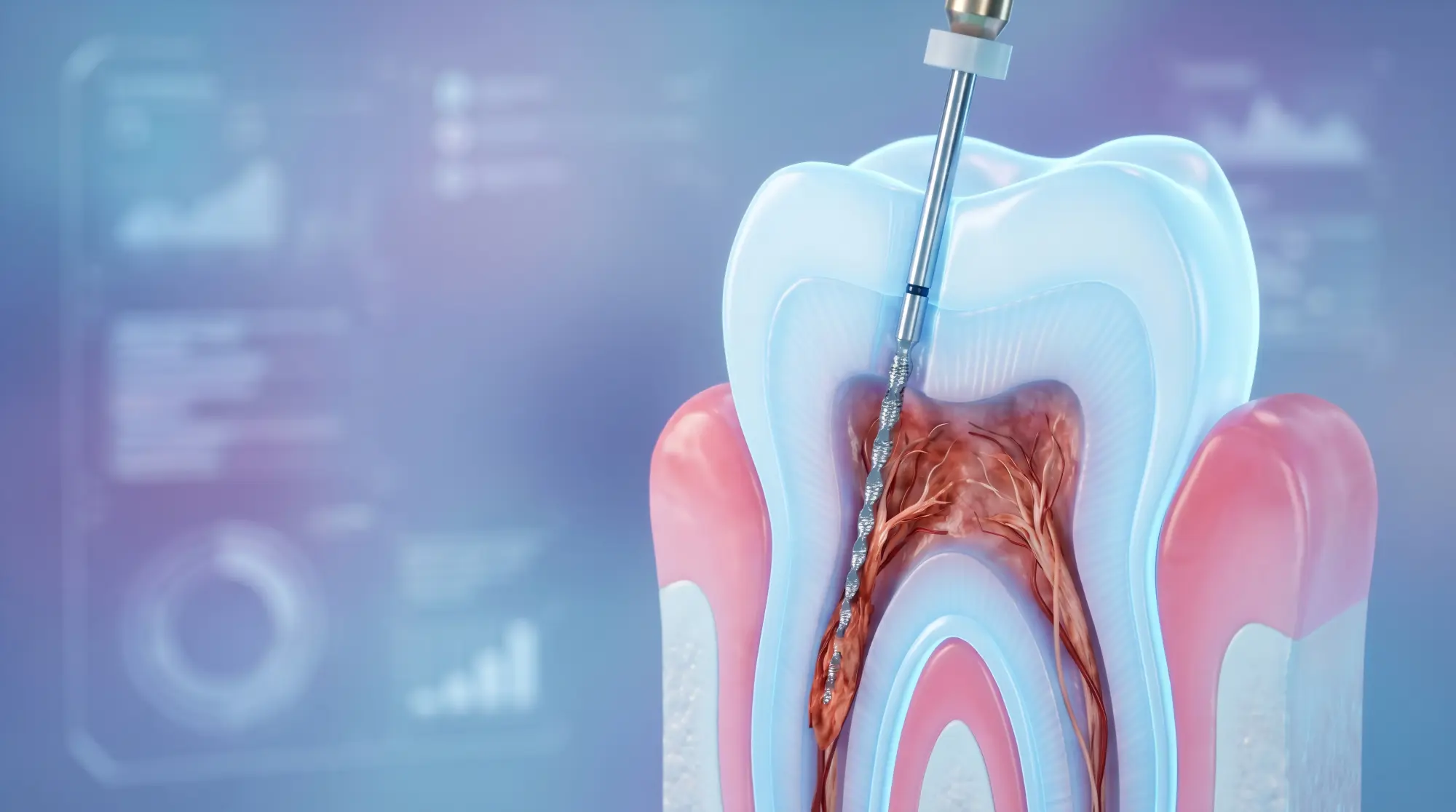
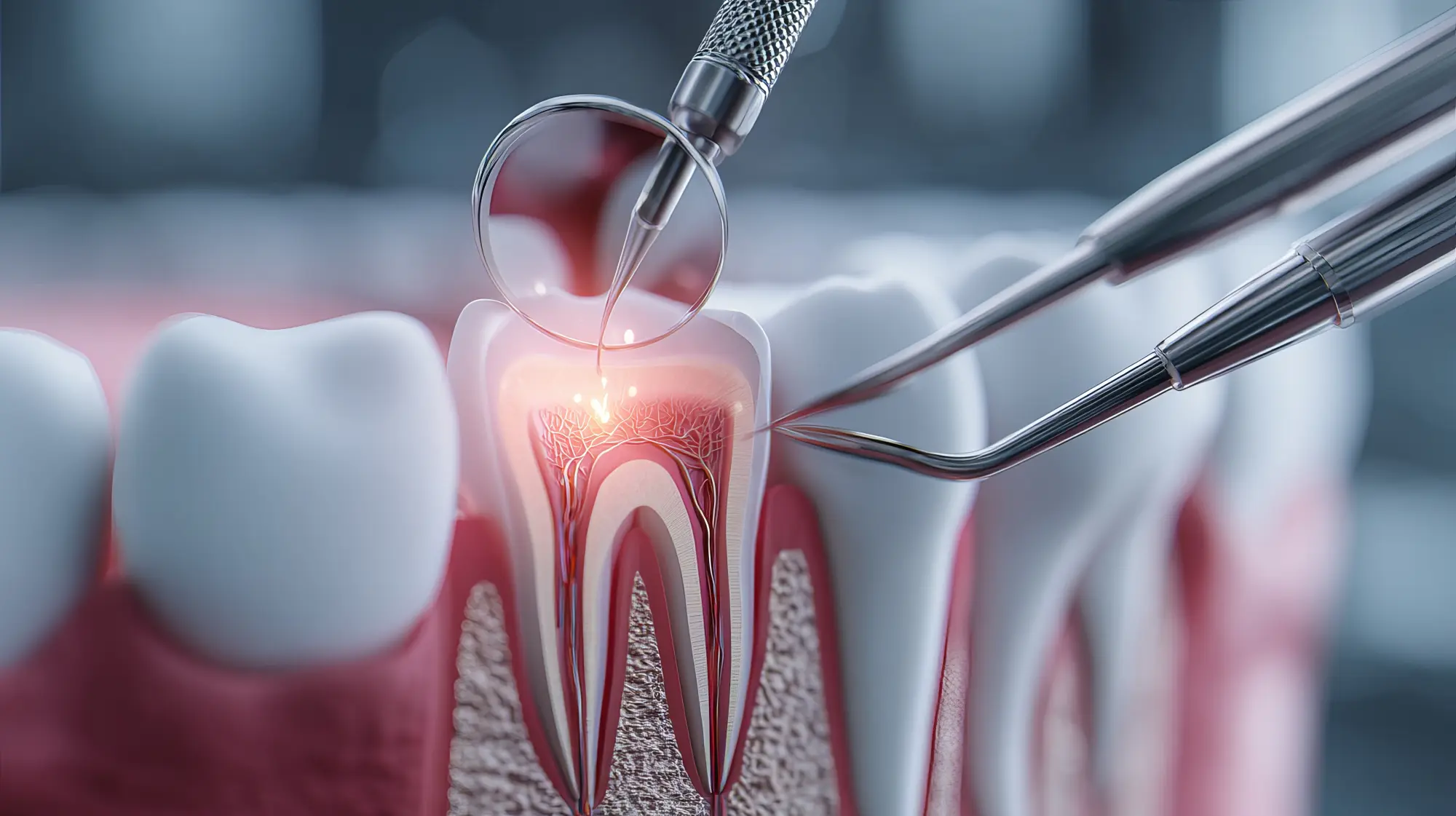
A root canal saves a permanent tooth when deep decay, a crack, or an injury reaches the soft pulp inside. During treatment, the infected or inflamed tissue is gently removed, and the inside of the tooth is cleaned, disinfected, and sealed. The tooth then gets a protective restoration so your child can bite, chew, and smile comfortably again. For kids and teens, keeping that natural tooth matters: it holds space in a growing jaw, supports a healthy bite, and avoids the cost and complexity of replacing a missing tooth later.
At Eastvale Kids Dental Studio, your child never has to leave the office they already know for specialty care. Root canals on permanent teeth are performed in-house by Dr. James Lin, our board-certified endodontist, who works side by side with Dr. Amy Kim. Your family gets an endodontist in Eastvale and a pediatric team in one familiar, space-themed studio, with kid-friendly explanations, weighted blankets, and TV and headphones to help the time fly by. For extra comfort, we offer sedation options from laughing gas to general anesthesia. Treating a baby tooth? Visit our pulpotomies for baby teeth page. Have questions? Call us at (951) 507-1073.


A permanent tooth is meant to last a lifetime. A root canal for kids keeps that tooth in place, protecting your child's bite, jaw development, and the alignment of the teeth around it.
An infected nerve can cause throbbing pain, swelling, and sensitivity that make eating and sleeping hard. Removing the source of infection brings most kids real relief, often by the very next day.
Instead of sending your family to an unfamiliar office, our in-house endodontist treats your child right here, with the same friendly faces, records, and comfort options they already know.


Root canal care for every age and stage
Root Canals on Permanent Teeth

Root Canals on Permanent Teeth
When decay or infection reaches the nerve of an adult tooth, a filling alone can't fix it. A root canal on a permanent tooth removes the damaged pulp, cleans and seals the canals, and preserves the tooth for years of healthy chewing. For young permanent teeth whose roots are still forming, Dr. James may recommend a gentler approach designed to protect continued root growth.
Teen Root Canals
Teen Root Canals
Teens juggle school, sports, and social plans, and nobody wants a toothache getting in the way. Our teen root canal care is calm, efficient, and explained in plain language, so your teen knows what to expect and can get back to school and practice quickly. Most teens return to normal activities the next day.
Root Canals After a Dental Injury
Root Canals After a Dental Injury
A fall on the playground or a hit during a game can crack a tooth or damage its nerve, sometimes without obvious signs right away. Prompt treatment can often save a permanent tooth injured by trauma. If your child has had a dental injury, call our pediatric emergency dentist team right away.
Comfort and Sedation Options
Comfort and Sedation Options
Every root canal starts with local anesthesia to fully numb the tooth. Kids who feel nervous can relax with nitrous oxide, and children with high anxiety or special healthcare needs can be treated under general anesthesia with a licensed anesthesiologist. We'll help you choose the option that fits your child.
Global Heading text
Sample text is being used as a placeholder. Sample text helps you understand how real text may look. Sample text is being used as a placeholder for real text that is normally present. Sample text helps you understand how real text may look. Sample text is being used as a placeholder for real text that is normally present. Sample text is being used as a placeholder for real text that is normally present.

Medium length section heading goes here
Lorem ipsum dolor sit amet, consectetur adipiscing elit. Suspendisse varius enim in eros elementum tristique.
Medium length section heading goes here
Lorem ipsum dolor sit amet, consectetur adipiscing elit. Suspendisse varius enim in eros elementum tristique.
Medium length section heading goes here
Lorem ipsum dolor sit amet, consectetur adipiscing elit. Suspendisse varius enim in eros elementum tristique.
Medium length section heading goes here
Lorem ipsum dolor sit amet, consectetur adipiscing elit. Suspendisse varius enim in eros elementum tristique.
Medium length section heading goes here
Lorem ipsum dolor sit amet, consectetur adipiscing elit. Suspendisse varius enim in eros elementum tristique.
FAQs
Yes. For children with high anxiety, special healthcare needs, or multiple teeth that need care, a root canal can be completed under general anesthesia right here in our office. A licensed anesthesiologist administers the anesthesia and monitors your child's vital signs throughout the procedure, so your child sleeps comfortably while treatment is finished in one visit. Learn more on our general anesthesia page.
Root canals on permanent teeth are performed by Dr. James Lin, a board-certified endodontist with a special interest in treating kids and teens, including children with dental trauma. He works alongside Dr. Amy Kim, our board-certified pediatric dentist, so your child gets specialist care in the same office they already visit. Nerve treatments on baby teeth are handled by Dr. Amy.
Often, yes. Trauma from sports, falls, or accidents can crack a tooth or injure its nerve, and sometimes the damage shows up weeks or months later as discoloration, sensitivity, or swelling. A root canal can remove the injured pulp and preserve the tooth, especially when treatment starts early. If your child has a dental injury, call us at (951) 507-1073 so we can evaluate the tooth as soon as possible.
In many cases, yes. A tooth that has had a root canal can become more brittle, so back teeth like molars usually need a crown to protect them from chewing forces and prevent fractures. Front teeth with less damage can sometimes be restored with a filling instead. Dr. James will recommend the restoration that best protects your child's tooth and schedule follow-up visits to make sure it is healing well.
A filling repairs the outer layers of a tooth, but it can't treat infection or inflammation once decay or damage reaches the pulp inside. Left in place, that infection won't heal on its own and can lead to pain, an abscess, and eventually the loss of the tooth. A root canal removes the source of the problem from the inside, then the tooth is sealed and restored so it stays healthy and strong.
Ready to launch your child’s first visit?

